What to Expect During Your Remodeling Project: Is This Normal or a Red Flag?
First-time remodeling clients often don't know what "normal" looks like on a job site. That uncertainty creates anxiety — and unfortunately, it sometimes leads homeowners to question a legitimate, well-run project while missing actual warning signs they should be paying attention to.
Understanding what's genuinely normal during a remodeling project, and what actually warrants concern, helps you stay informed without second-guessing every decision your contractor makes.
Normal: The Project Looks Worse Before It Looks Better
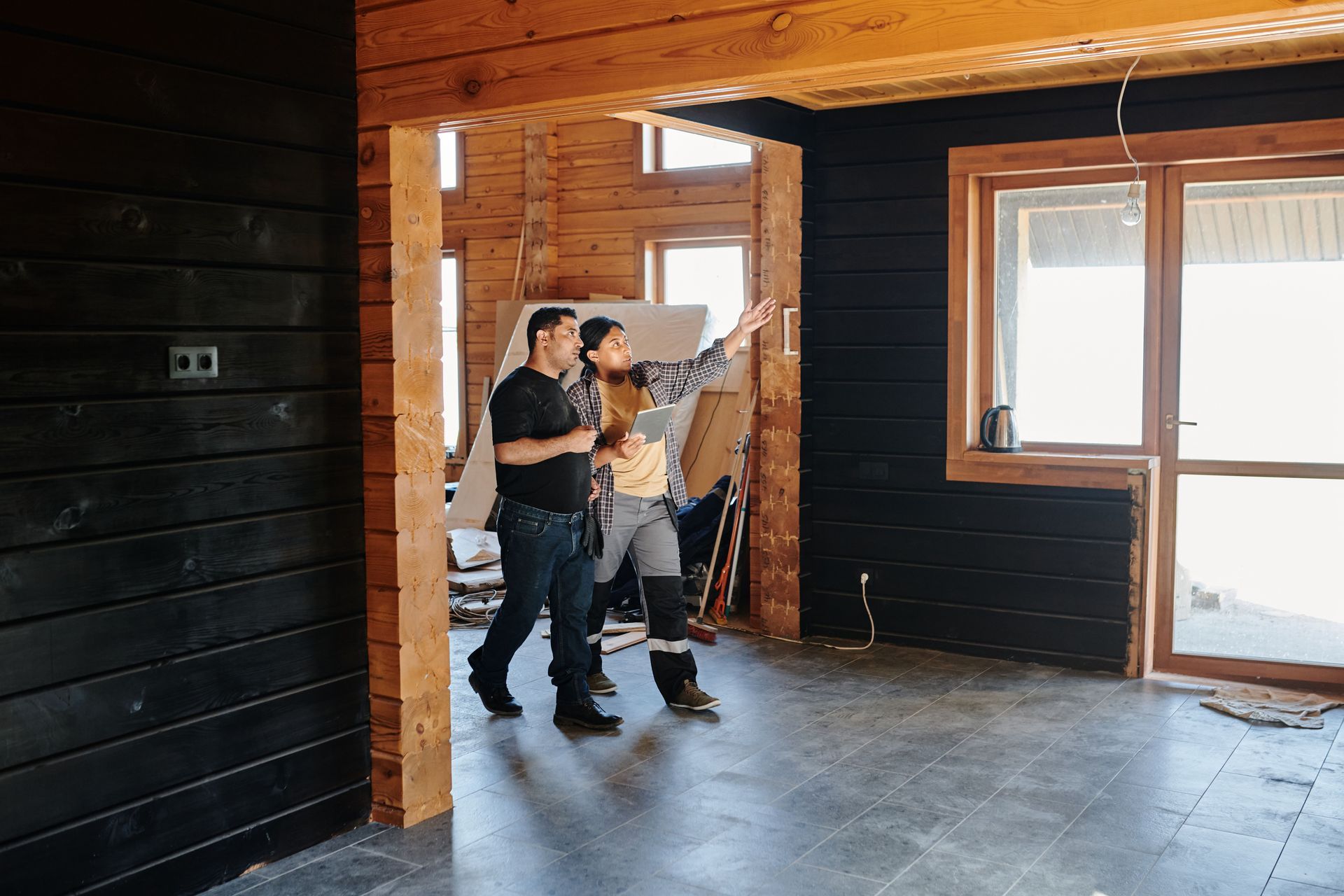
Demo day is exciting. Seeing the old tile, the dated cabinets, the carpet you've been living with for fifteen years finally come out feels like progress. What comes after demo is less photogenic — exposed framing, rough plumbing, subfloor, electrical boxes hanging from wires. The space often looks like a construction site, because it is one.
This is entirely normal. Remodeling projects go through a stage that looks worse than when you started before they begin to look better. If you visit the job site during rough-in and feel a wave of panic that you've made a mistake, take a breath. The finished product isn't visible yet, and that's not a reflection of how the finished product will turn out.
What would be abnormal: walls or ceilings opened up and left exposed for weeks with no clear reason, or demo happening in areas outside the agreed scope.
Normal: Dust Gets Everywhere
Even with the best dust containment — poly barriers at doorways, negative air pressure, careful daily cleanup — remodeling dust is persistent. Fine particulate from drywall, tile cutting, and sanding migrates through gaps that plastic sheeting misses. You will find dust in rooms that weren't part of the project.
A professional crew takes dust management seriously and does daily cleanup of active work areas. But if you expect zero dust impact on the rest of your home during an active remodel, you'll be disappointed regardless of who does the work.
What would be abnormal: no dust containment measures at all, debris tracked throughout the home without any cleanup effort, or significant damage to flooring or finishes outside the work area from inadequate protection.
Normal: Subcontractors Come and Go
On most remodeling projects, the general contractor coordinates multiple subcontractors — plumbers, electricians, tile setters, cabinet installers. Different trades have different schedules, and the project sequences so that each trade does their work in the right order. You may go two days without anyone on-site during inspection waiting periods, or have four different crews in the house in one week.
This isn't disorganization — it's how construction works. A general contractor who manages their subcontractors well keeps the project moving in the right sequence without unnecessary delays.
What would be abnormal: days turning into weeks with no activity and no communication about why, or trades showing up in the wrong order and having to redo work.
Normal: Things Don't Go Exactly as Planned
Remodeling involves opening up walls and floors that haven't been seen since the house was built. What's inside those walls isn't always what anyone expected — a plumbing drain that runs where a beam was supposed to go, a load-bearing wall where the plan assumed non-structural framing, wiring that doesn't match the original drawings.
These discoveries require adjustment. A competent contractor communicates them promptly, explains the options, and works with you to find a solution. Surprises are normal. How they're handled is what separates good contractors from poor ones.
What would be abnormal: surprises that are discovered and not communicated, or solutions proposed without explaining what the issue was or what alternatives exist.
Normal: The Final Week Feels Rushed and Then Suddenly Done
The end of a remodeling project often has a particular rhythm: things seem to drag in the final stretch, and then suddenly the punch list items resolve quickly, the final trades wrap up, and the space is done. The convergence of multiple finishing trades — painter, tile setter, trim carpenter, cabinet hardware installer — can make the last week feel chaotic and then unexpectedly finished.
What would be abnormal: a contractor declaring the project complete when items on the punch list are clearly unresolved, or pressure to release final payment before you've had the opportunity to review the finished work.
Actual Red Flags Worth Paying Attention To
Normal variation aside, here are signs that warrant a direct conversation with your contractor:
Extended periods of no activity with no communication about the reason. Material selections made without your approval. Requests for large payments significantly ahead of the work they're supposed to fund. Work that doesn't match what was specified in the contract.
The common thread in all real red flags is a breakdown in communication. When something unexpected happens on a well-run project, you hear about it. When something unexpected happens and you find out by discovering it yourself, that's worth addressing directly.
River's Edge Design & Construction serves Columbia and Jefferson City with a hands-on approach that keeps clients informed through every phase of their project. If you're planning a remodel and want to understand what the process looks like before it starts, reach out.
Call
573-303-5050
or
visit the contact page
to schedule a consultation.