How to Be a Good Remodeling Client: A Guide from the Contractor's Side
Most remodeling content is written from the homeowner's perspective — how to find a good contractor, how to protect yourself, how to avoid getting taken advantage of. That's valuable information. But there's a perspective that rarely gets addressed: how the client's behavior affects the outcome of a remodeling project.
A good contractor brings expertise, planning, and craftsmanship to a project. A good client brings clarity, communication, and realistic expectations. Both sides have to show up for a remodeling project to go well. Here's what that looks like from the contractor's side.
Make Decisions Before the Project Starts, Not During
The single most common source of delays and cost increases in remodeling projects is deferred decision-making. When a client hasn't chosen tile by the time the tiler is scheduled, that sub reschedules. When cabinet finishes aren't confirmed before the order needs to be placed, lead times push the installation date back. When a homeowner changes their mind about the countertop material after the template has been made, that template is a sunk cost.
A remodeling contract has a start date, but the real preparation work is in the weeks before that date — making final selections for every material, fixture, and finish that the project requires so those decisions don't become critical path items during construction.
River's Edge walks clients through a structured selection process before breaking ground. The goal is that by the time tools come out, every material decision has been made. Clients who engage fully in that pre-construction process have smoother projects than those who defer selections until they're needed.
Communicate Changes Through the Right Channel
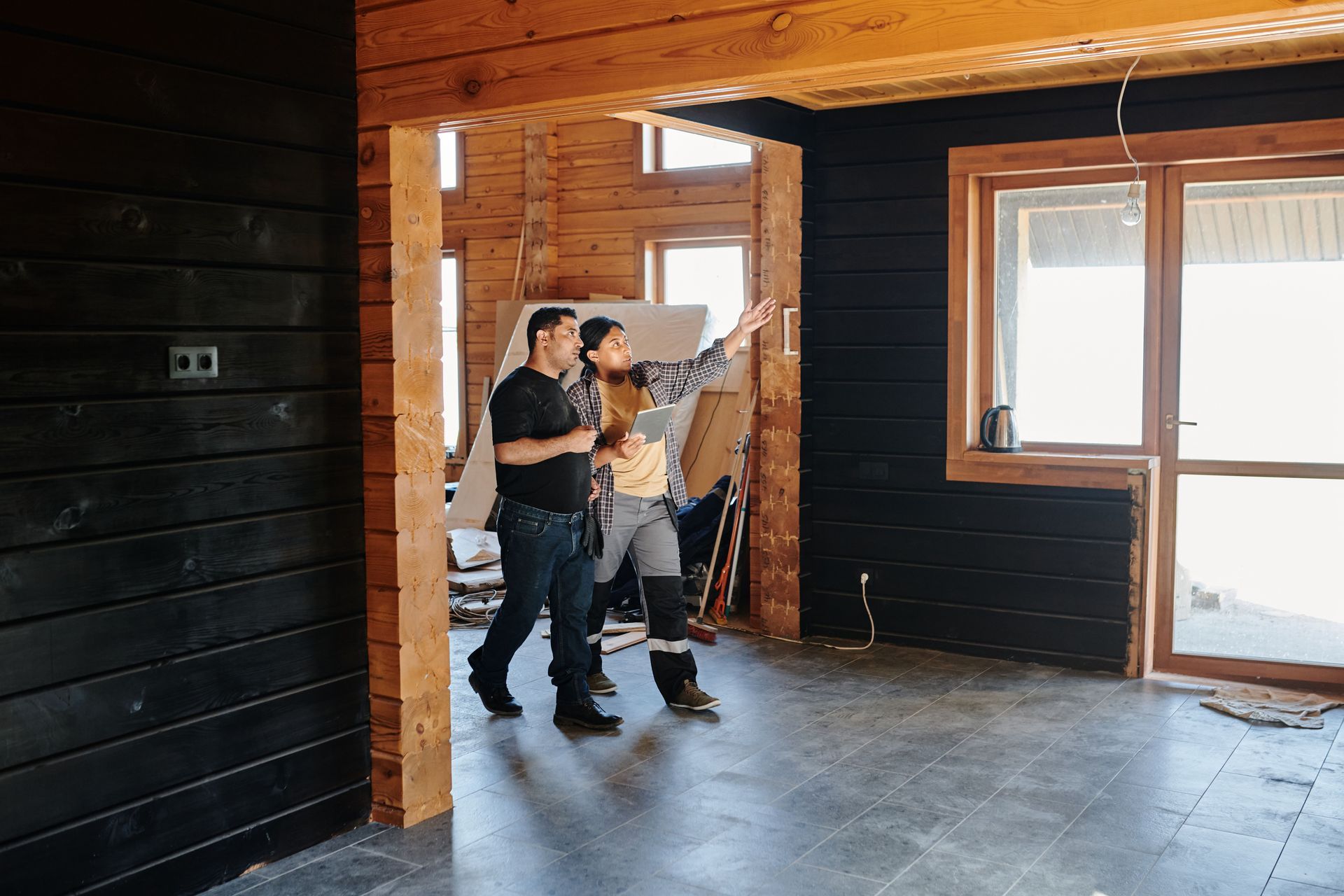
It's natural to have ideas and questions as a remodeling project develops. You walk through the space, see something taking shape, and think of something you'd like to add or change. That's part of the creative process of remodeling.
The important thing is that changes go through the right channel — to the project manager or lead on the project, in writing, with an understanding of whether the change affects cost or schedule before it's executed.
Communicating changes directly to the crew on-site creates problems. A tile setter who's told by the homeowner to extend the backsplash six inches has to make a decision about whether to proceed based on verbal instructions that haven't been priced or approved through the proper channel. That creates confusion, potential rework, and a disagreement about whether the change is included in the contract price.
Be Available When Decisions Need to Be Made Quickly
Even with thorough pre-construction planning, situations arise on a job site that require a client decision. A plumbing line discovered in an unexpected location might require relocating a fixture slightly. A structural condition uncovered during demo might require a design change. Material that's arrived doesn't match the sample.
When these situations arise, a quick response from the client keeps the project moving. A client who's unreachable for several days during a critical decision point can create delays that cost money and push the completion date.
You don't need to be available every hour of every day. But having a clear communication protocol — how to reach you, how quickly you'll respond to project-related communications, who makes decisions if you're traveling — prevents small delays from compounding.
Trust the Process, Including the Parts That Feel Slow
Remodeling projects move at a pace that can feel frustratingly slow during certain phases. Waiting for inspections. Waiting for materials that are on order. Waiting for adhesive to cure before the next step can happen. These aren't contractor failures — they're the nature of the work.
Clients who trust the process and resist the urge to push trades into working faster than conditions allow get better results. Tile grout applied before the substrate has fully cured cracks. Paint applied over damp drywall bubbles. Finishes rushed ahead of their proper sequence need to be redone. The timeline exists for reasons that are mostly about the chemistry and physics of the materials, not about crew motivation.
Keep the Job Site Safe and Accessible
If you have children or pets, keeping them out of the active work area is both a safety requirement and a practical kindness to the crew. A job site has open subfloor, exposed fasteners, power tools, and materials that aren't safe for unsupervised children or curious dogs.
Ensure the crew has access to the work area during agreed-upon working hours. If you need to change the daily access window, communicate that in advance rather than discovering a locked door at 7:30 AM.
Pay on Schedule
Remodeling contracts typically have a payment schedule tied to project milestones. Payments on schedule keep the project funded, allow your contractor to pay their subs and suppliers on time, and maintain the working relationship that makes everything else go smoothly. A contractor who's carrying unpaid invoices from a client doesn't have the same operational flexibility to prioritize that project.
If a payment is being withheld because of a concern about the work, communicate that concern directly rather than simply not paying. Most legitimate concerns can be addressed; held payments without communication create adversarial dynamics that don't serve anyone's interests.
What This Looks Like in Practice
The best remodeling projects are collaborative. The contractor brings expertise and execution. The client brings clarity about what they want, engagement in the decision-making process, and respect for the people doing the work. When both sides show up, the result is a space the homeowner loves and a project the contractor is proud to put their name on.
River's Edge Design & Construction works with clients throughout Columbia and Jefferson City to build that kind of partnership from the first conversation.
Call
573-303-5050 or visit
riversedgemo.com/contact to get started.